 02
02
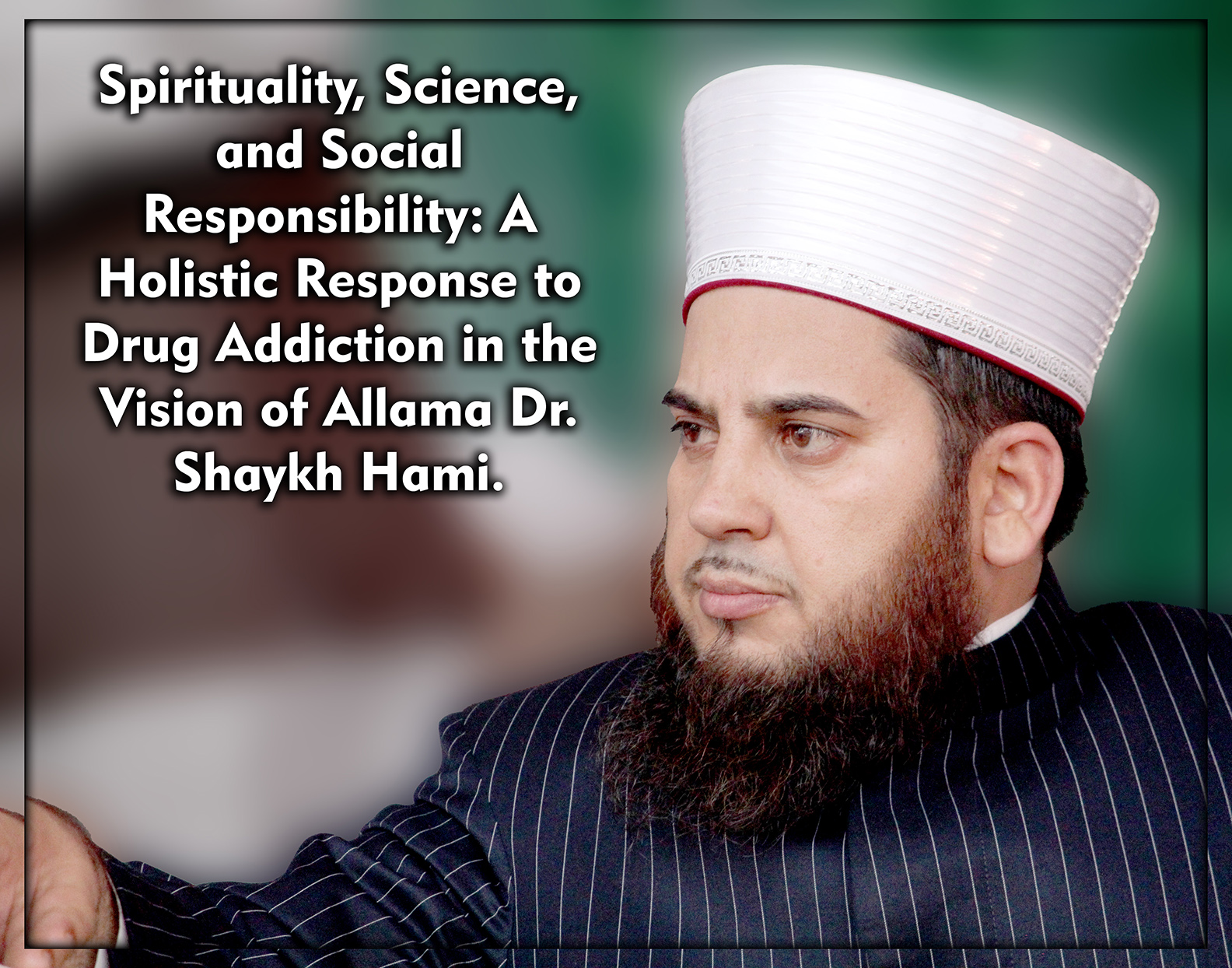
Spirituality, Science, and Social Responsibility: A Holistic Response to Drug Addiction in the Vision of Allama Dr. Shaykh Hami.
Sheikh Sameer Manzoor:
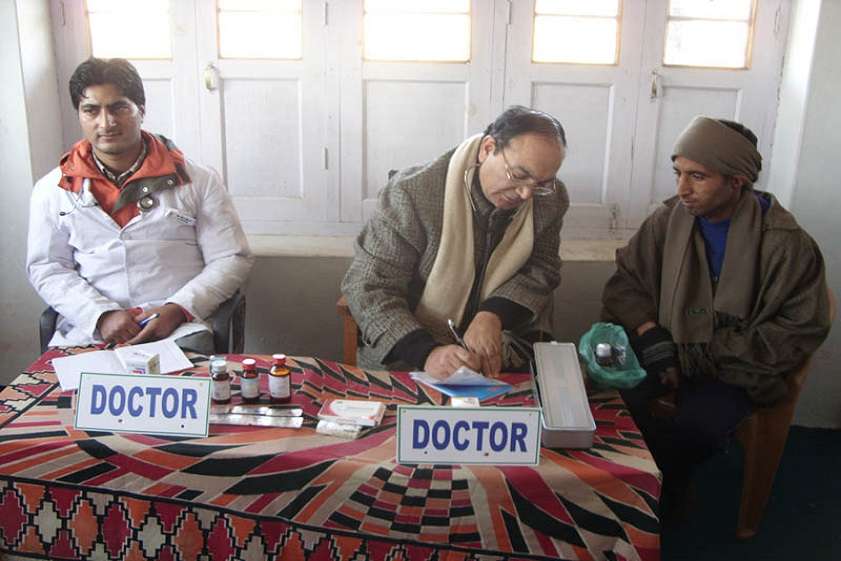
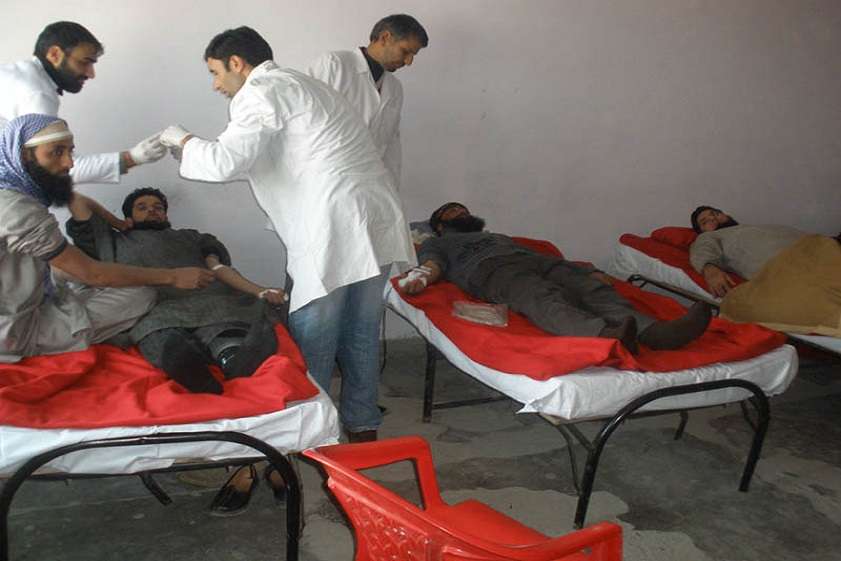
Islamic intellectual tradition and contemporary behavioral science converge on one essential point that human conduct is shaped by a complex interaction of biological processes, psychological states, social environments, and moral consciousness. Drug addiction, therefore, cannot be understood or addressed through a single framework. It is simultaneously a neurological disorder, a psychological coping mechanism, a social failure, and a spiritual crisis. Allama Shaykh Hami’s response to addiction is distinguished by his refusal to fragment the human being; instead, he approaches recovery through an integrated, holistic vision rooted in faith, reason, and social responsibility. Modern neuroscience demonstrates that addictive substances fundamentally alter brain chemistry, particularly affecting dopamine and serotonin pathways that regulate pleasure, motivation, impulse control, and emotional stability. Chronic drug use impairs judgment, weakens memory, increases irritability and aggression, and significantly raises the risk of depression, psychosis, and suicidal behaviour. From an Islamic perspective, this scientific reality mirrors the classical understanding that repeated moral transgression dulls the heart, clouds perception, and gradually erodes the capacity for self-restraint (taqwa). In Kashmir, the drug crisis has not remained confined to hospitals or rehabilitation centers but its effects are visible across classrooms, households, and streets. Academic dropouts, broken families, rising petty crime, and psychological instability among youth represent the social manifestation of neurological and emotional damage. What science identifies as cognitive impairment, society experiences as moral and generational decline. He understood that addressing symptoms without addressing meaning would only prolong the crisis. Rather than positioning spirituality against medical science, he consistently emphasized their complementarity. He repeatedly acknowledged that detoxification, psychiatric care, and medical intervention are essential components of recovery. However, he warned that treatment limited to chemical stabilization, without moral restructuring and spiritual anchoring, leaves individuals vulnerable to relapse. This position aligns closely with evidence-based recovery research, which recognizes purpose, discipline, and community support as decisive factors in long-term sobriety.
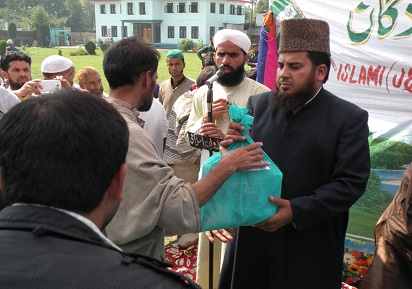
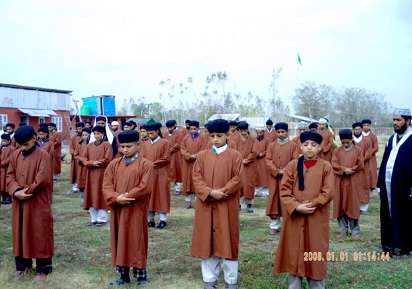
From a Sufi–Islamic lens, addiction flourishes in environments of ghaflah (heedlessness of God), emotional isolation, unresolved trauma, and loss of higher purpose. Contemporary psychology reaches a similar conclusion, identifying loneliness, identity crises, and existential emptiness as primary drivers of substance abuse. In recognizing this convergence, Allama Shaykh Hami built a framework where spiritual awakening and psychological healing reinforce one another rather than compete. His counseling methodology reflects this synthesis. It combines attentive listening, moral accountability, emotional validation, and gradual spiritual discipline. By reintroducing structured routines like prayer, remembrance, ethical reflection, and responsibility he addresses the psychological void that drugs temporarily mask. Scientific studies consistently show that structure, meaning, and community belonging significantly reduce relapse rates, validating the effectiveness of such spiritually informed practices. Through this integrated model, more than 100,000 youths have been guided back toward stable, productive lives by Karwani Islami International and Allama Shaykh Hami. These outcomes were not achieved through coercion or spectacle, but through sustained mentorship, patient engagement, and moral trust. Each recovery represents a convergence of medical stabilization, psychological rebuilding, and spiritual reorientation. He has repeatedly stressed that addiction cannot be reduced to individual weakness alone. Families, educational systems, peer environments, religious leadership, and economic conditions all contribute to vulnerability or resilience. This understanding reflects public health research, which identifies addiction as a community-level phenomenon requiring collective response. Central to this collective response is the role of the ulema. He has consistently called upon religious scholars to engage contemporary crises with intellectual seriousness and social empathy. In his view, the ulema must combine Quranic ethics with awareness of modern scientific realities, avoiding both moral negligence and simplistic condemnation. He emphasized that mosques and religious institutions should function not only as ritual spaces but as centers of guidance, prevention, and counseling. When religious discourse addresses addiction with understanding, dignity, and realism, it reduces stigma and encourages early intervention. Sociological research confirms that faith-based community engagement significantly improves prevention outcomes.
Society at large, he argued, bears equal responsibility. Stigmatization, silence, and denial deepen addiction and accelerate relapse. Families that respond with rejection unintentionally push individuals further into substance dependence. Allama Shaykh Hami consistently urged communities to replace shame with structured support, echoing psychological findings that social acceptance is one of the strongest predictors of recovery. Recognizing that addiction is also sustained by systemic failures, he took the issue to constitutional and legal forums, submitting Public Interest Litigations in the State Assembly, High Court, and Supreme Court of India. These actions reframed drug abuse as a matter of public welfare, governance, and constitutional responsibility rather than private moral failure. Complementing legal advocacy, his offline signature drive campaign through Karwani Islami International, which gathered over 600,000 signatures, represented a rare moment of mass civic participation against drugs. Public health research consistently shows that such broad-based social mobilization strengthens policy enforcement and reduces normalization of substance abuse. Through his organisation Karwani Islami International, thousands of conferences, seminars, webinars, counseling sessions, and research based lectures were organized. These forums integrated insights from medicine, psychology, sociology, law enforcement, and Islamic ethics, ensuring that the discourse remained informed, balanced, and solution-oriented rather than emotional or reactionary. Importantly, Allama Shaykh Hami has consistently and publicly appreciated the commendable role of police and government agencies in curbing illicit drug trafficking and controlling supply chains. He recognized that without firm enforcement, social and spiritual efforts alone cannot dismantle organized narcotics networks. He emphasized that effective anti-drug strategy requires coordination between moral leadership and state authority. Islamic jurisprudence recognizes the prevention of harm (daf al-mafasid) as a shared responsibility of scholars, rulers, and institutions, not the burden of any single sector. By openly acknowledging the efforts of law enforcement and government, Allama Shaykh Hami strengthened trust between civil society and state institutions. Policy research confirms that cooperation between community leaders and enforcement agencies significantly enhances the success of anti-narcotics initiatives. His approach carefully avoids extremes. It rejects spiritual isolation from law enforcement, just as it rejects authoritarian enforcement devoid of human dignity. Instead, it advocates a cooperative model where compassion and accountability operate together. This integrated framework that includes scientific understanding, spiritual healing, scholarly leadership, social responsibility, and institutional enforcement explains the durability of his impact. It moves beyond symbolic activism toward sustainable social reform. In an era where drug addiction threatens not only physical health but the moral and intellectual future of societies, the vision articulated and practiced by Allama Shaykh Hami offers a comprehensive model. It demonstrates that when science informs treatment, spirituality heals hearts, ulema guide consciences, society supports recovery, and the state enforces justice, even the most entrenched social crises can be confronted with realism, mercy, and hope.
Research Scholar(KI)
Sheikh Sameer Manzoor
sheikhsameermanzoor@gmail.com
Copyright 2026 Karwani Islami. Designed By ShivaClicksoft
 English
 Deutsch
 简体中文
简体中文
 العربيّة